
Is skill more important than luck in certain gambling games?
The Balance of Skill and Luck
When discussing gambling games, the debate between skill and luck often sparks passionate opinions. Skill primarily involves a player’s ability to analyze situations, develop strategies, and make informed decisions. Luck, on the other hand, is the random chance that one cannot control. In games like poker or blackjack, skill tends ice fishing game to have a more pronounced effect, while games such as roulette symbolize pure luck. However, the reality isn’t always black and white; some games require a combination of both factors to succeed. For instance, in an ice fishing game, participants must apply both luck and practical skills to catch fish effectively.
Research suggests that in games with a strong strategic element, players who possess a solid understanding of game theory can drastically improve their winning chances. For example, seasoned poker players understand the odds, player tendencies, and when to take calculated risks. These abilities elevate skill above luck, proving that mastering the game can lead to substantial benefits over time. The ongoing study of specific strategies within these games also reflects the evolving nature of skill application, allowing players to adapt and thrive in competitive environments.
Skill-Based Gambling Games
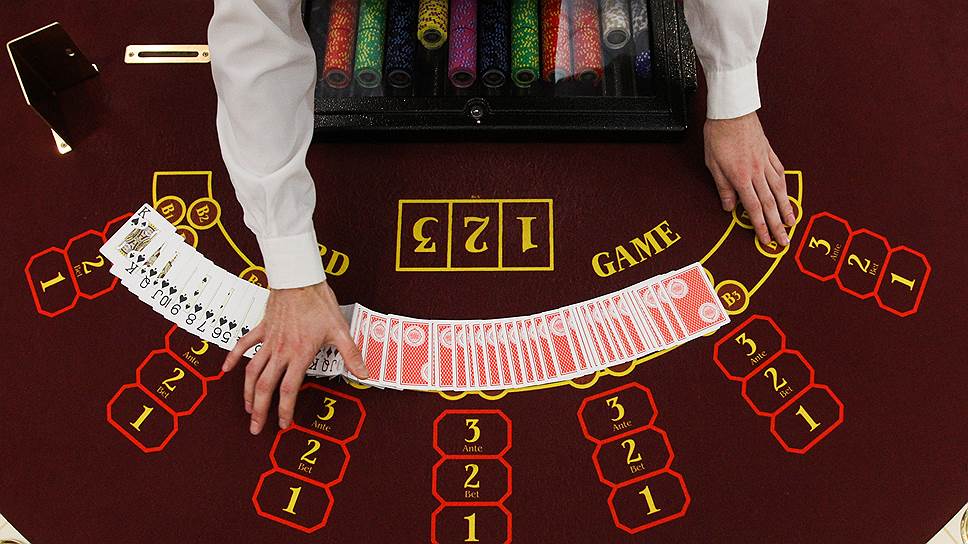
Several gambling games firmly place skill at the forefront. Poker, often touted as the ultimate skill-based gambling game, success hinges on a player’s ability to read opponents, calculate odds, and devise strategic plays. Unlike games driven purely by luck, the nuances of poker allow skilled players to consistently outperform novices. Over a series of games, the advantage of skill becomes clear, as seasoned players minimize losses and maximize gains with every decision made.
Another game that showcases skill is blackjack. While players must still contend with a degree of luck due to the cards dealt, the decisions made during the game can significantly enhance outcomes. Utilizing strategies such as card counting or knowing when to hit or stand can drastically shift the odds in favor of the player, exemplifying how skill can outshine luck in specific scenarios. Additionally, skilled blackjack players constantly analyze their position in the game, adjusting their strategies based on previous rounds and the dealer’s behavior, further enhancing the role of skill in their success.
Luck-Dominated Gambling Games
In stark contrast to skill-based games, certain gambling forms rely heavily on luck. Slot machines and roulette represent quintessential luck-based gambling. Players have minimal control over the outcome, as results stem from random number generators or spinning wheels. Even the most strategic player cannot influence or predict the next spin, illustrating how these games emphasize luck over skill.

While players can maximize their enjoyment by understanding game mechanics and placing informed bets, the role of skill remains limited. Therefore, in games like these, the outcome tends to be more about chance, with winners often simply having the luck of the draw rather than a strategic advantage. It’s this unpredictability that often draws people to such games; the thrill of seeing where the ball lands or what symbols appear can create an exhilarating experience for many players.
The Hybrid Games
Interestingly, some gambling games incorporate elements of both skill and luck. Sports betting is a prime example. While luck plays a significant role in the unpredictability of game outcomes, a knowledgeable bettor can analyze statistics, player performance, and other variables to make informed wagers. In this context, skill plays an instrumental role, as a well-researched decision can yield better results compared to a purely instinctive approach. The betters who immerse themselves in research and data analytics tend to find repeated successes, further showcasing the delicate balance between these two forces.
Similarly, games like baccarat exhibit a blend of skill and chance. Although the dealer takes most of the control, understanding the game’s mechanics and trends can provide seasoned players with betting advantages. This intricate mix showcases how various gambling games traverse the spectrum between skill and luck. By observing past trends and player behaviors, participants can elevate their gameplay, leveraging their knowledge in an otherwise luck-driven environment.
Conclusion: The Ever-Present Debate
Ultimately, determining whether skill is more important than luck in gambling is complex. The answer lies in the nature of the game being played. In skill-based games, mastery can lead to a higher likelihood of winning, while in luck-driven games, players must rely on chance. As observed, games can possess characteristics of both; hence understanding the dynamics of each can enhance a player’s overall experience. This awareness allows players to navigate the gambling landscape intelligently, maximizing their enjoyment and potential rewards.
As you explore the vast world of gambling, consider the games that resonate with your skills and preferences. By identifying whether you thrive on strategic play or enjoy the thrill of chance, you can make informed decisions about your gaming choices. If you are interested in unique gambling experiences, consider trying an ice fishing game where both skill and luck are essential components for success. Moreover, engaging with a variety of games not only provides entertainment but can also improve your understanding of how skill and luck interplay, ultimately enhancing your gambling experience.